
'Frankie's Gear Guide'
Frankie has come across plenty of questionable dog gear over the years, so this guide is designed to help you understand the different options and feel confident choosing what’s best for your dog.
Frankie’s Gear Guide breaks down common dog gear with clear explanations, and real guidance for dog owners. From how to fit head collars to harnesses, we explain what each item is for, when it can help, and when it might not be necessary, so you can make informed decisions without relying on sales advice alone. Simply click on the name of the equipment, to view a video demonstration of how to correctly use each item, giving you the power when it comes to deciding.
Walking Equipment:
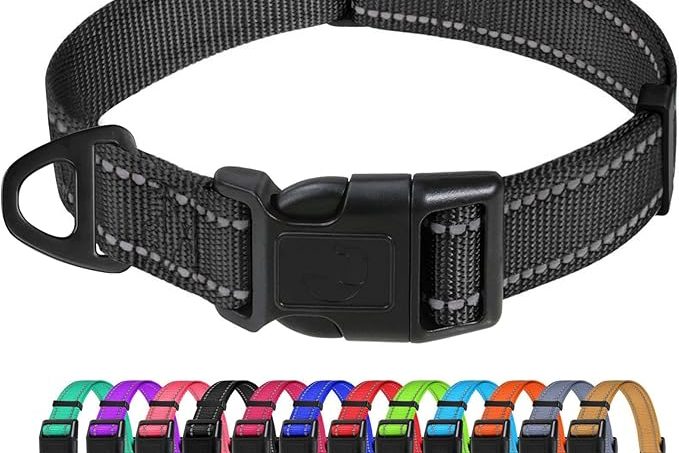
A quick-release dog collar uses a plastic or metal snap buckle that clicks open and closed quickly, allowing the collar to be put on or removed with one press. These collars are designed for convenience and safety, letting owners remove the collar rapidly in emergencies or when needed.
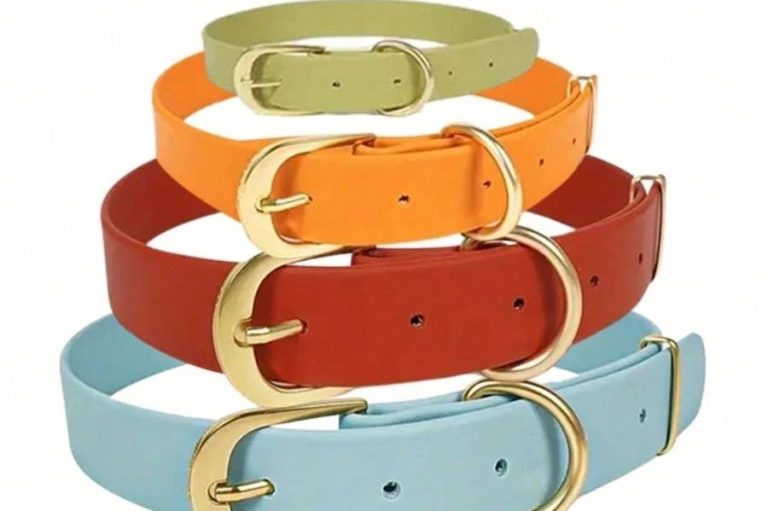
A buckle-up collar is one of the most common everyday dog collars. It is secure, adjustable, and ideal for holding identification tags, though dogs that pull strongly may benefit from other walking equipment such as a headcollar or training collars. These collars are not as practical as quick release collars, if you are looking to remove it quickly.🐕
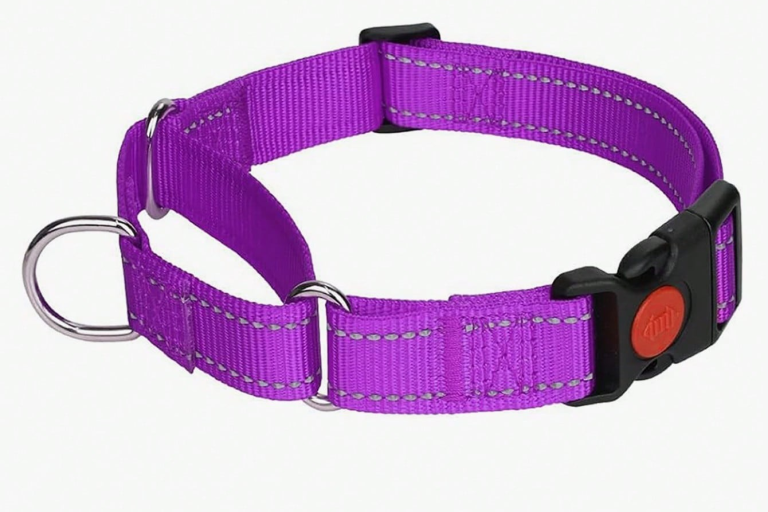
A martingale collar is designed to prevent dogs from slipping out of their collar while still avoiding the full tightening effect of a slip collar. It tightens slightly when tension is applied but stops at a preset limit, making it useful for dogs with narrow heads or those prone to backing out of collars.
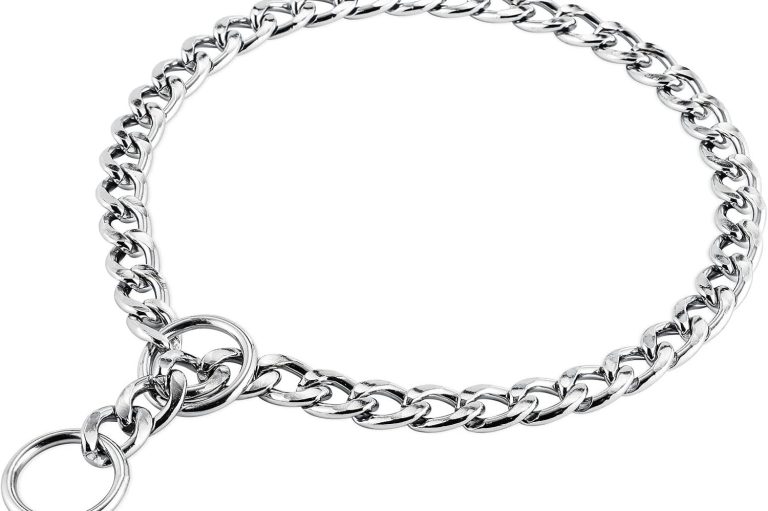
A chain collar is a metal slip collar that tightens around the dog’s neck when tension is applied to the lead. It has traditionally been used in some training contexts to gain quick control of a dog, particularly in obedience or handling situations.
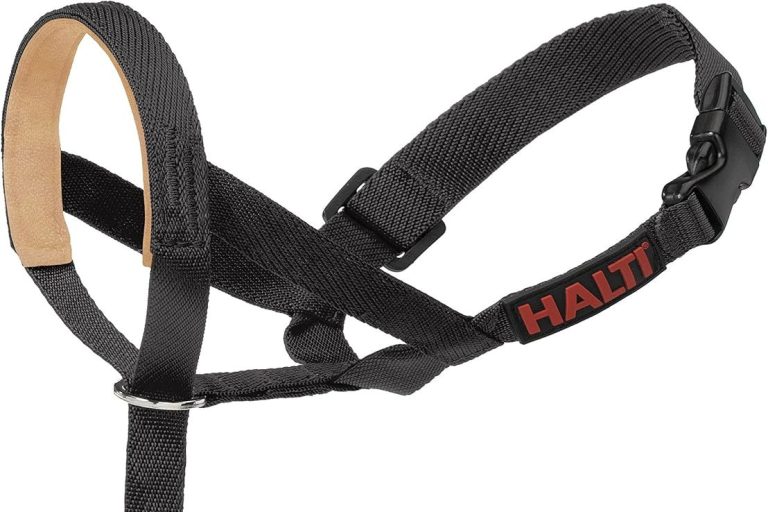
A Halti headcollar fits around a dog’s nose and behind the ears, giving the handler more control over the dog’s head and direction during walks. Because a dog’s body tends to follow where the head goes, it can help manage strong pulling or difficult handling during training.
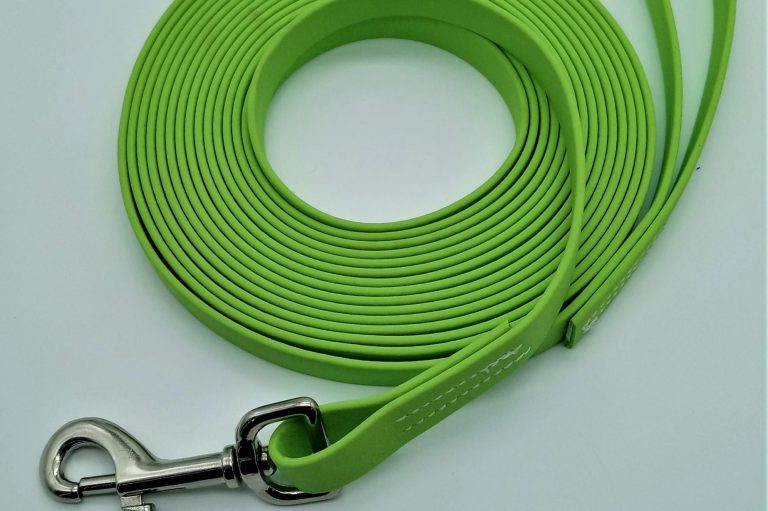
A long line lead is a very long training lead, usually between 5–20 metres, designed to allow dogs more freedom while still remaining under the handler’s control. It is commonly used for recall training, distance training, and safe exploration in open areas.
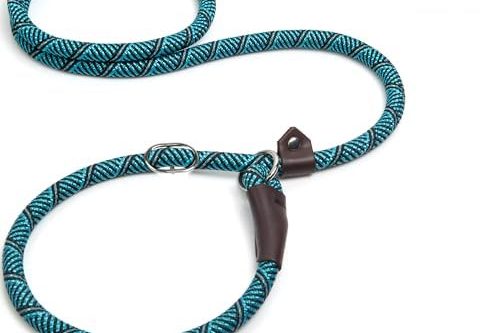
A slip lead combines a lead and collar in one piece, forming a loop that goes over the dog’s head and tightens slightly when tension is applied. It is commonly used for quick handling, training situations, or temporary control.
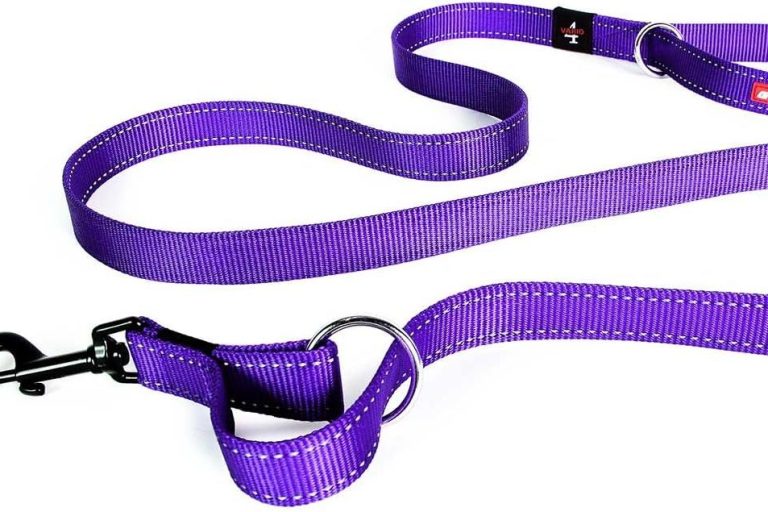
An adjustable lead has multiple rings or clips that allow the length of the lead to be changed. This allows the handler to shorten or lengthen the lead depending on the situation, making it useful for training, controlled walks, or giving the dog more freedom when safe.
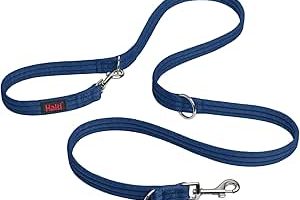
A double lead is a lead with clips at both ends, allowing it to attach to two points on a dog’s harness or collar, or to two different dogs. It is commonly used for training, extra control, or walking two dogs at the same time.
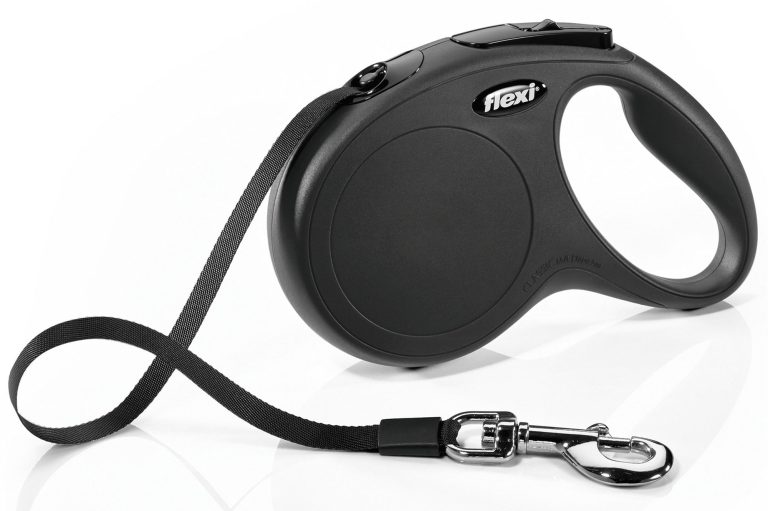
A retractable lead uses a spring-loaded cord or tape inside a handheld handle that allows the lead to extend and retract automatically. It gives dogs more freedom to explore while still remaining attached to the handler. These types of leads are popular but not advised, due to the many risks associated with using them.
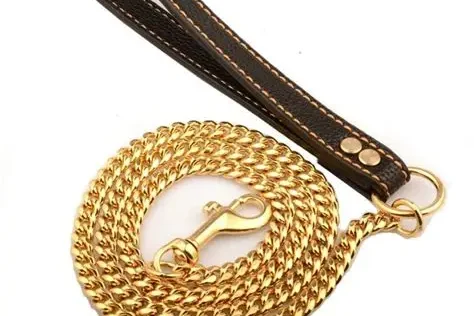
A chain lead is a dog lead made partly or entirely from metal chain, designed to provide strong and durable control during walks. It is often used for dogs that chew or damage standard fabric or nylon leads.
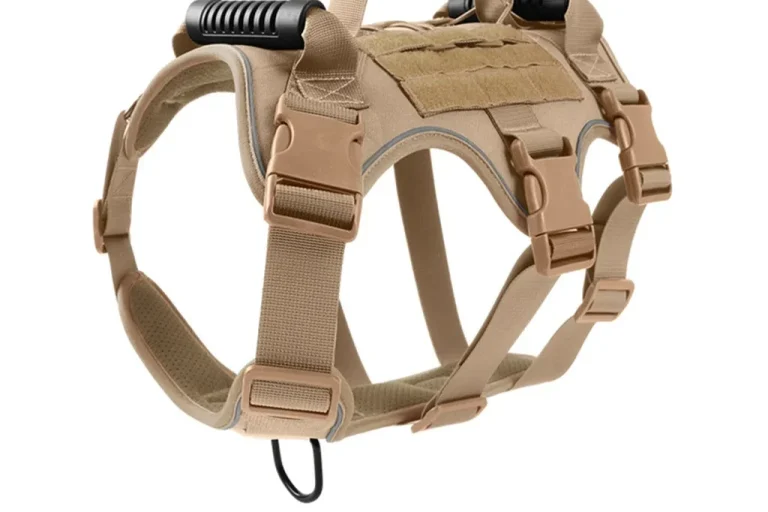
A front-clip harness has the lead attachment point on the dog’s chest, rather than on the back. When the dog pulls, the harness gently redirects the dog back toward the handler, which can help manage pulling during walks and training.
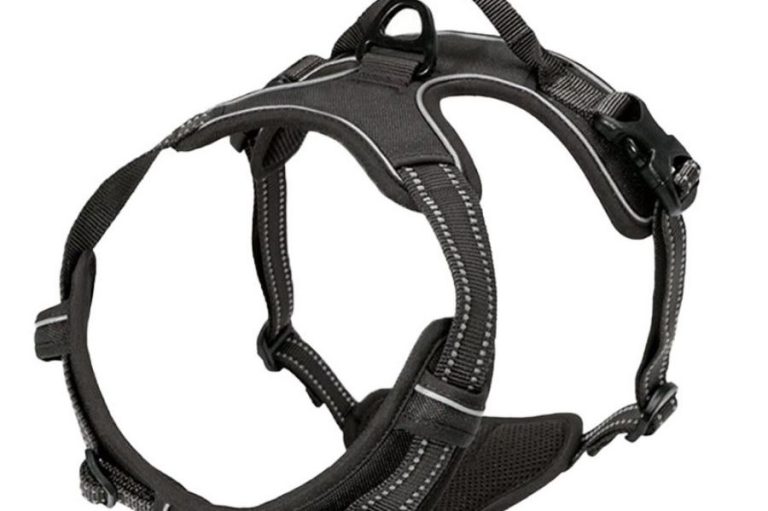
A back-clip harness has the lead attachment point on the dog’s back, usually between the shoulder blades. It is designed for comfortable everyday walking, distributing pressure across the dog’s chest and body rather than the neck.
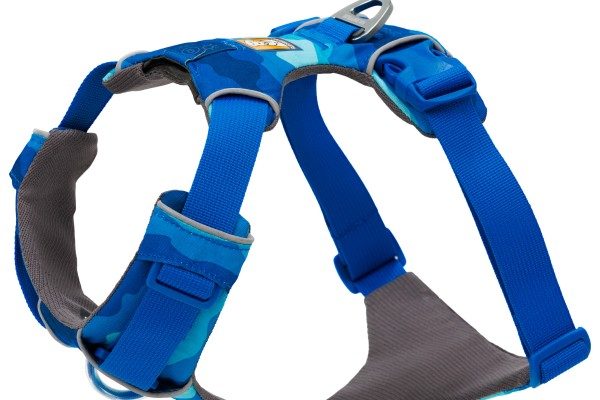
A dual-clip harness has two lead attachment points, usually one on the chest (front) and one on the back. This allows handlers to use different walking setups, or attach a double-ended lead for greater control during training.
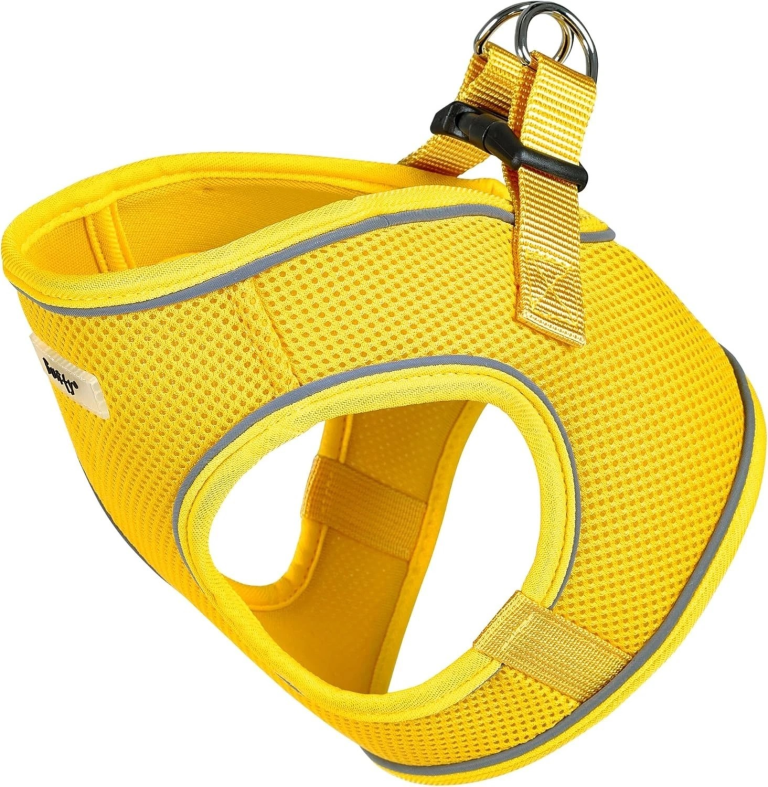
A step-in harness is designed so the dog steps into two leg holes, and the harness then fastens over the dog’s back. It is commonly used for quick and easy fitting, especially for dogs that dislike harnesses going over their head.
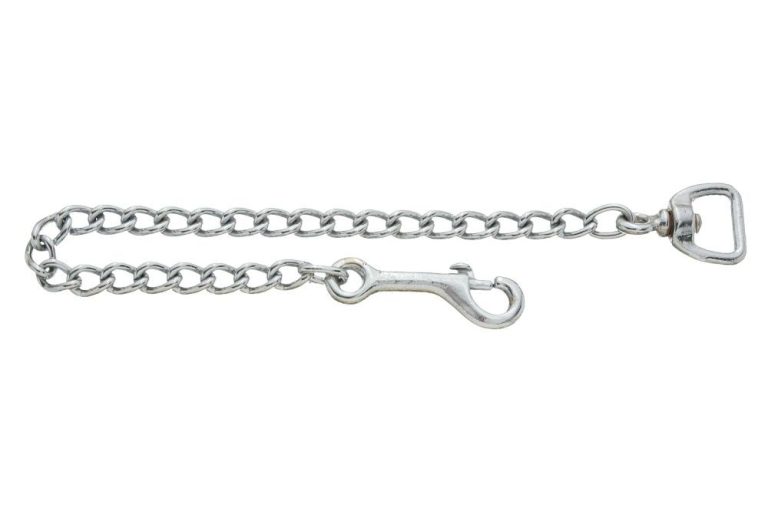
An anti-chew chain lead attachment is a short section of metal chain that clips between the dog’s collar and the lead. It is designed to protect the lead from being chewed, particularly by dogs that turn back and bite the lead during walks.
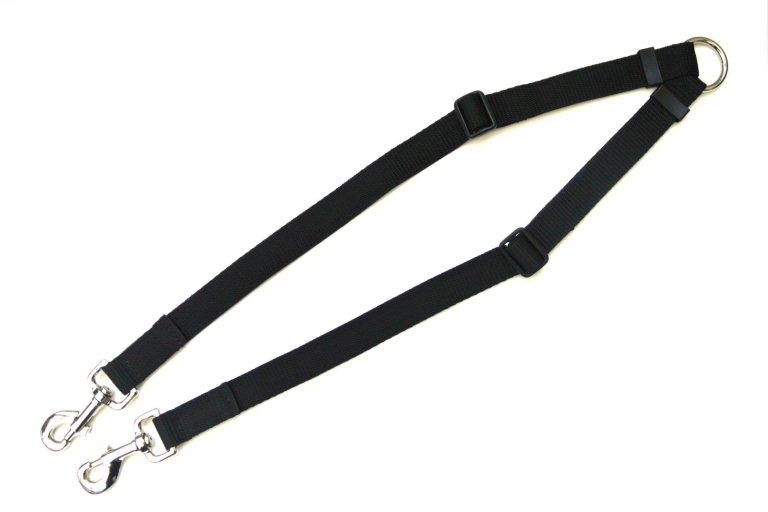
A lead splitter, sometimes called a coupler, is a short piece of equipment with one ring or clip at the top and two leads or clips at the bottom, allowing two dogs to be walked using a single lead.
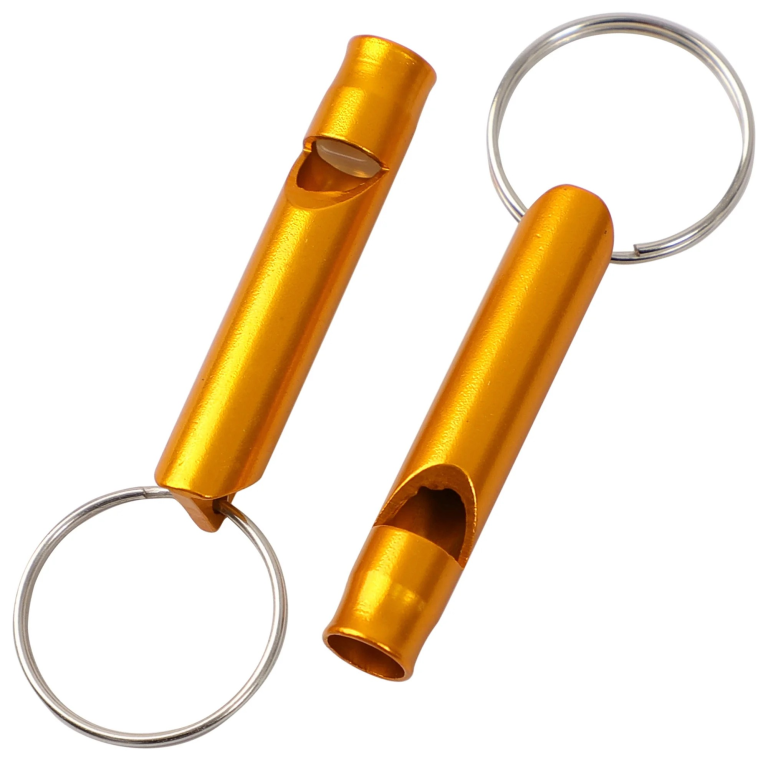
A dog training whistle is a small handheld whistle used to give consistent sound cues during training, particularly for recall and distance commands. The sound travels further than a human voice, making it useful for training in open spaces.
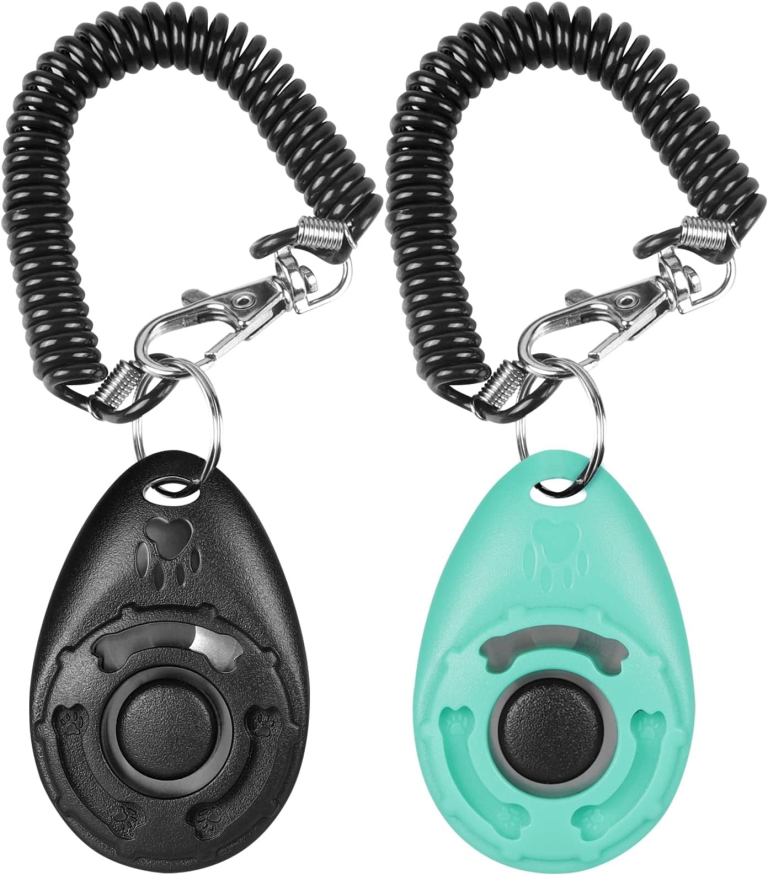
A clicker is a small handheld training device that makes a distinct “click” sound to mark the exact moment a dog performs the correct behaviour. It is commonly used in positive reinforcement training to clearly communicate which behaviour earned a reward.
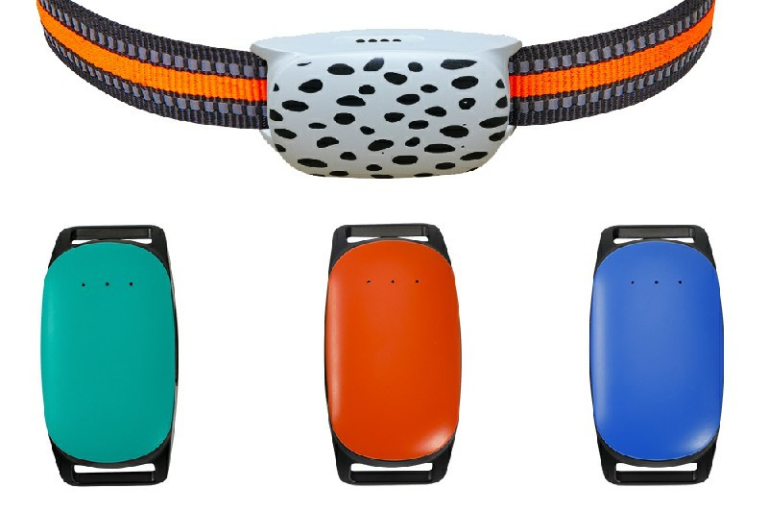
GPS tracking devices attach to a dog’s collar or harness and use satellite positioning to track the dog’s location in real time through a mobile phone app or receiver. They are used to help locate dogs if they become lost or wander out of sight.
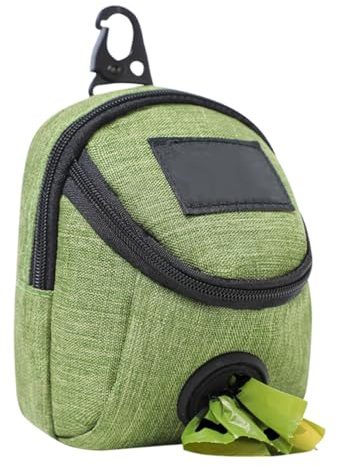
Treat and poo bag pouches are small bags worn on a belt, clip, or strap during walks to carry training treats and dog waste bags. They help keep essential walking items easily accessible and organised.
Car Safety Equipment:
It is a legal requirement in the UK to ensure dogs are properly restrained when travelling in a vehicle so they cannot distract the driver or cause injury during sudden braking or an accident. Care Dog Academy follows recognised safety guidance and promotes responsible travel practices to help keep both dogs and people safe on the road. Below are the main types of dog car safety equipment, with explanations of their purpose, benefits, and considerations to help owners choose the most suitable option. 🚗🐕
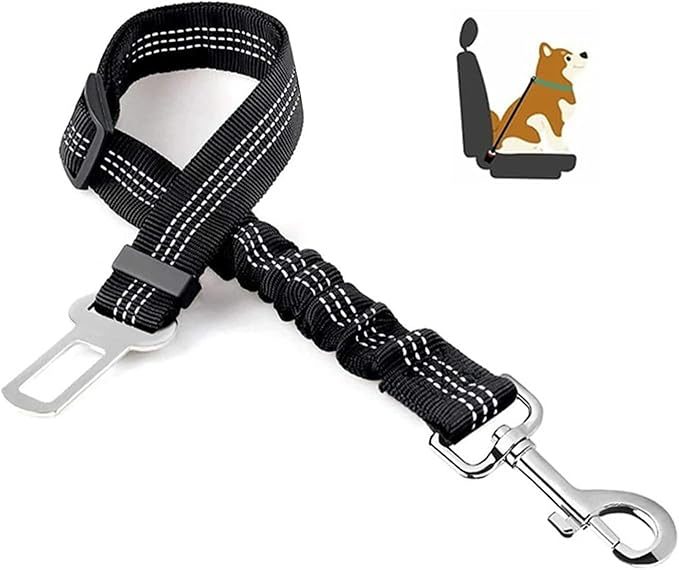
A dog seat belt restraint is a short tether that connects a dog’s harness to the vehicle’s seat belt system or anchor point, helping keep the dog securely in place while travelling in a car.
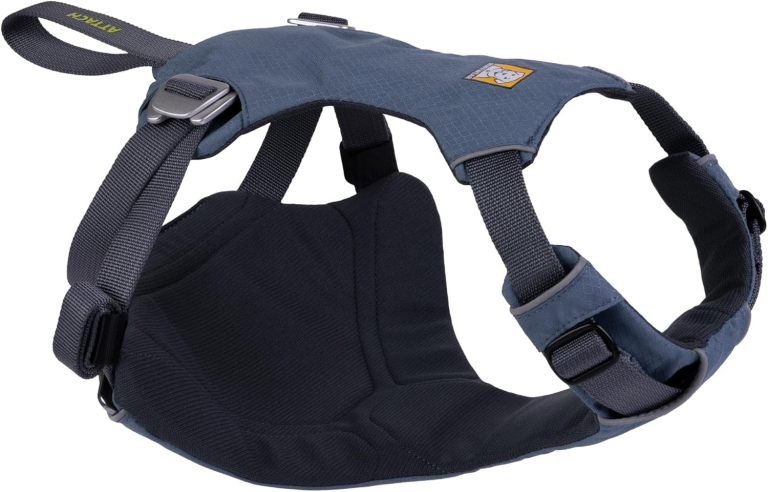
A dog car harness is a harness specifically designed for vehicle travel, allowing the dog to be secured using the car’s seat belt system. It helps keep the dog restrained during journeys and can reduce the risk of injury during sudden braking.
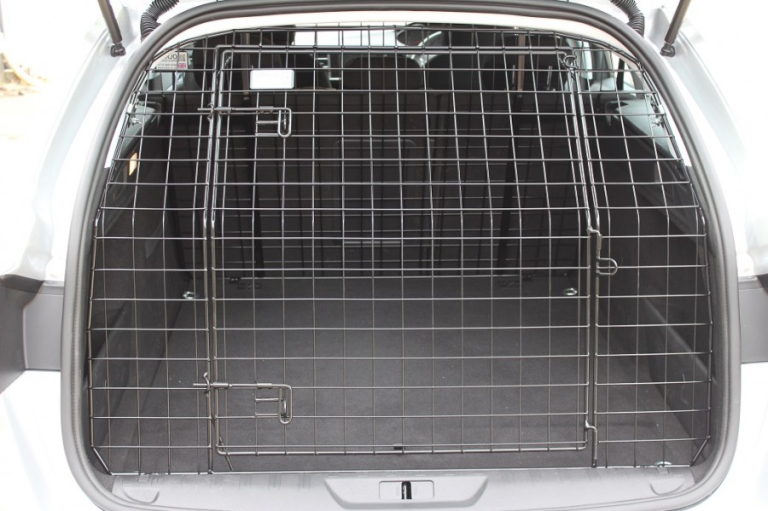
A dog guard or car barrier is a metal or mesh divider installed in a vehicle, usually between the boot and passenger area. It prevents dogs from moving into the front seats and distracting the driver during travel.
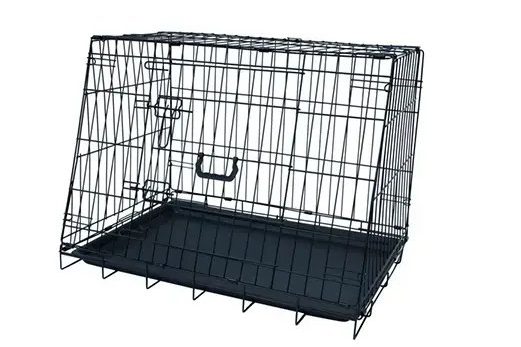
A dog travel crate is a secure container used to transport dogs safely in vehicles. It helps keep the dog contained and protected during journeys, while preventing movement around the car that could distract the driver.
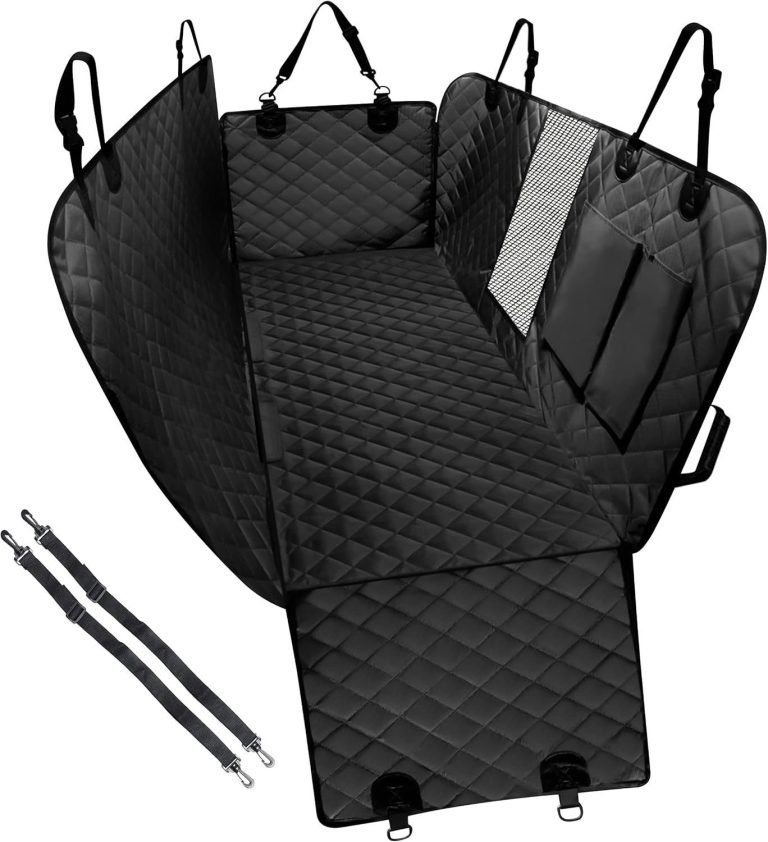
A dog car hammock is a protective seat cover that attaches between the front and back headrests, creating a hammock-style barrier across the back seats. It helps protect the car interior and prevents dogs from falling into the footwell during travel.
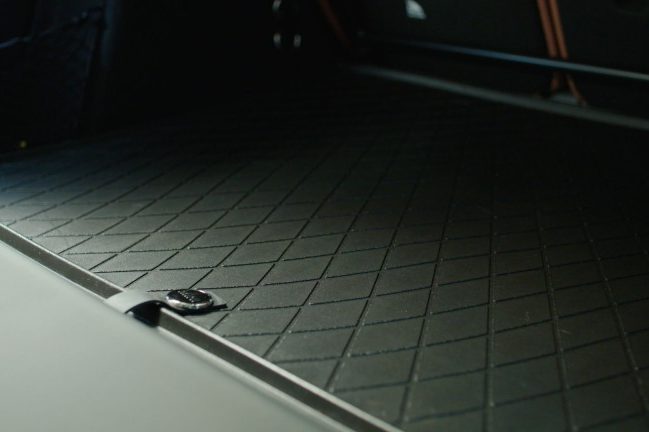
A boot grip mat is an anti-slip mat placed in the boot (trunk) of a car to provide better footing for dogs while travelling. It helps prevent dogs from sliding around during braking or cornering and protects the vehicle interior from dirt, hair, moisture, and scratches.